The four things that matter most over a long day
1. How the seat behaves after four hours
Foam compresses to its final shape and then presents a fixed surface. Tensioned suspension mesh keeps deflecting under you. Over eight hours that difference is real, and it is the strongest argument for a mesh seat - stronger than the airflow argument, though that matters too.
It is not a universal recommendation. Some people find firm unpadded mesh uncomfortable from the first sit, and that is a preference rather than a mistake.
2. Whether the chair offers more than one position
The most effective long-hours intervention is changing posture, and a chair either makes that easy or does not. What you want is adjustable tilt tension - so leaning back is a real option rather than a fight - and lockable positions so you can hold an open angle without bracing. Most chairs ship with the tension set for someone who is not your weight, which is why most people never use their recline.
3. The warranty terms, not just the number
"Multi-shift" and "3-shift" are engineering targets. Steelcase warranties the Leap v2 and the Series 1 for 12 years multi-shift; Herman Miller warranties the Aeron 12 years, three-shift; Sihoo warranties three years. Those are not interchangeable and they are the clearest signal separating the tiers.
Flokk is unusually honest about it: the HÅG Capisco carries a ten-year warranty for normal use up to nine hours a day, which is the sort of condition most brands leave unstated.
4. Whether you have a second seat
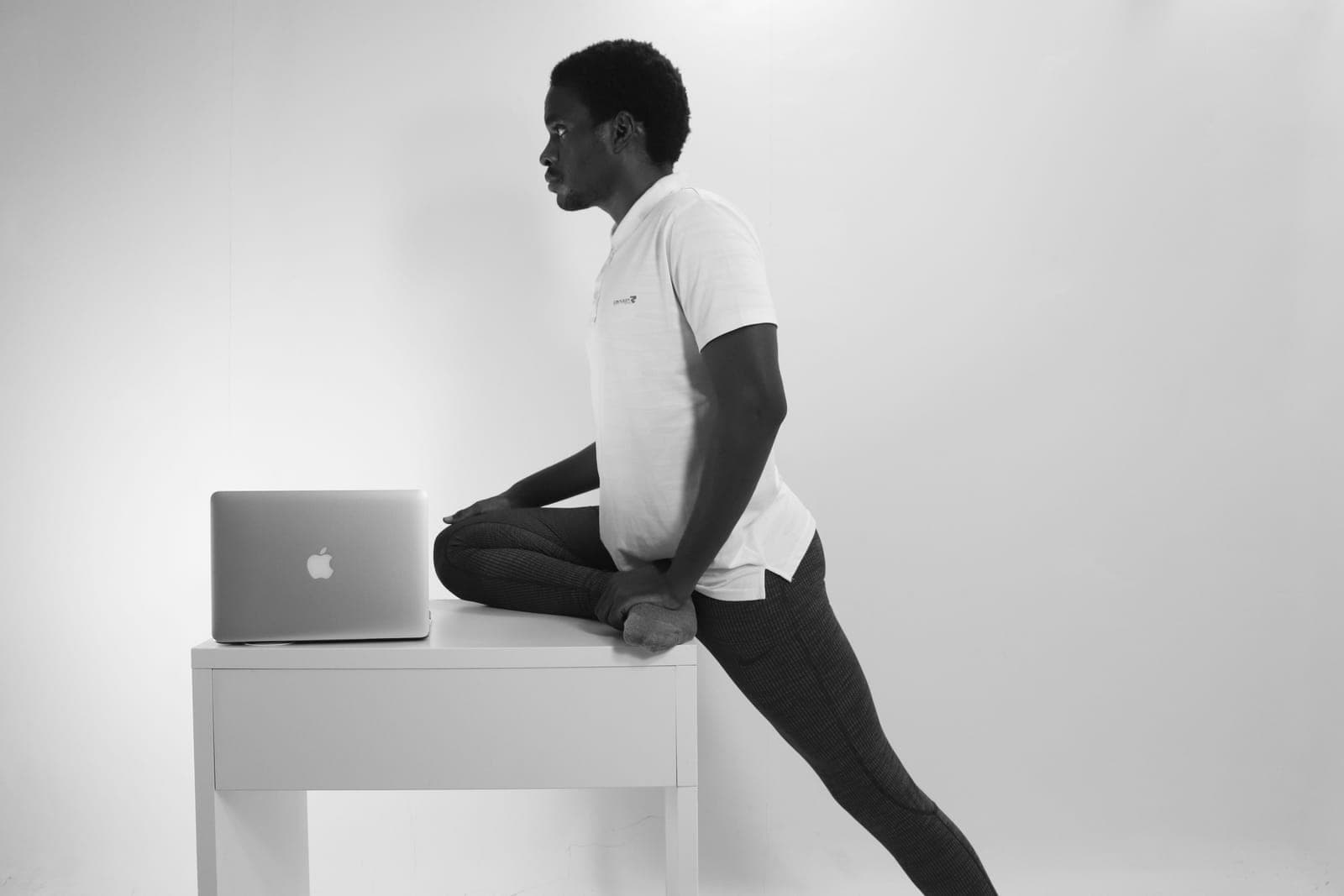
Two genuinely different postures does more for a long day than any incremental improvement to a single chair. A kneeling chair or a saddle stool used for an hour or two forces a different hip angle automatically, and a basic one costs a fraction of a decent office chair. This is the most underrated recommendation on the site.